Description
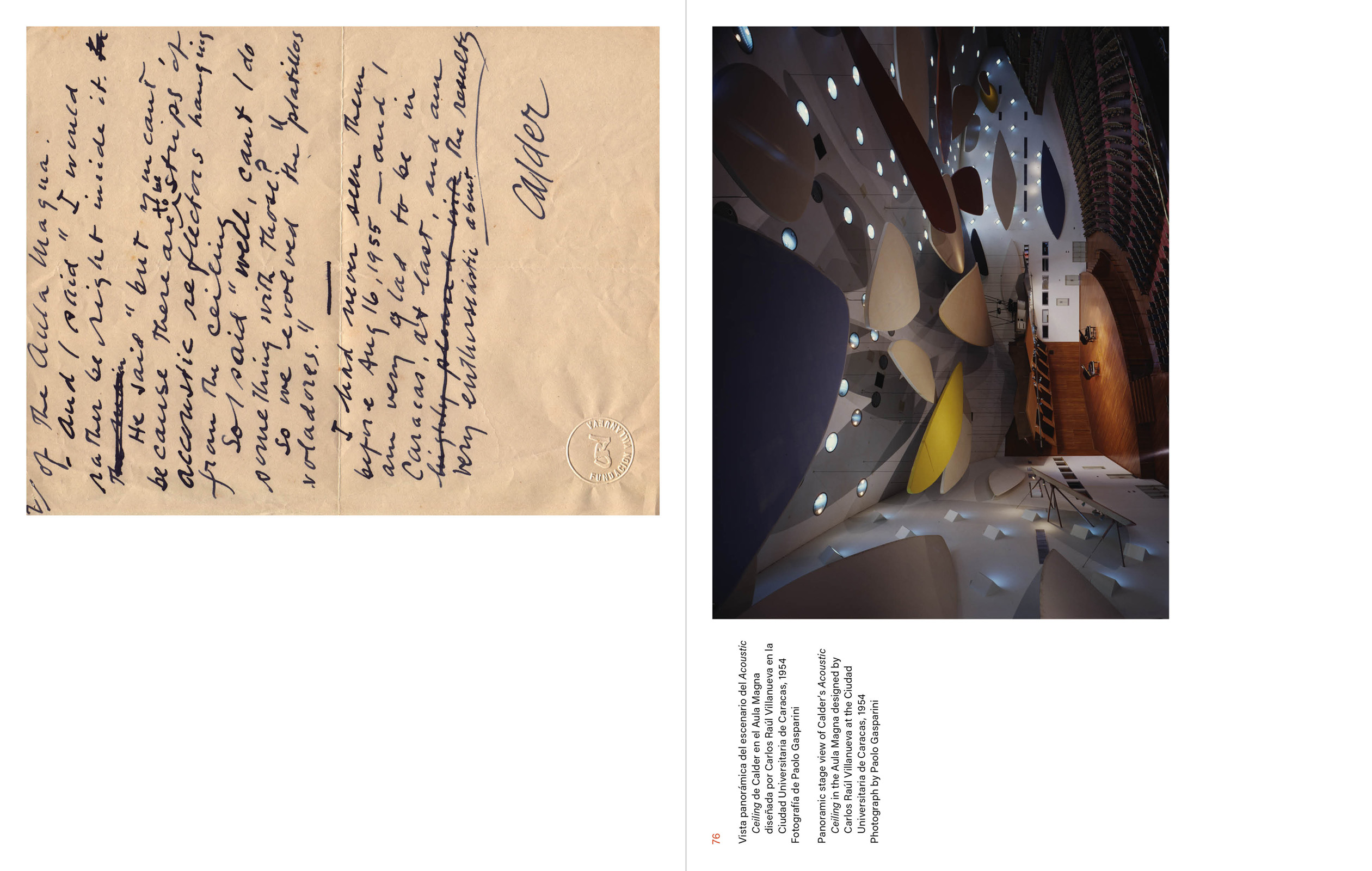
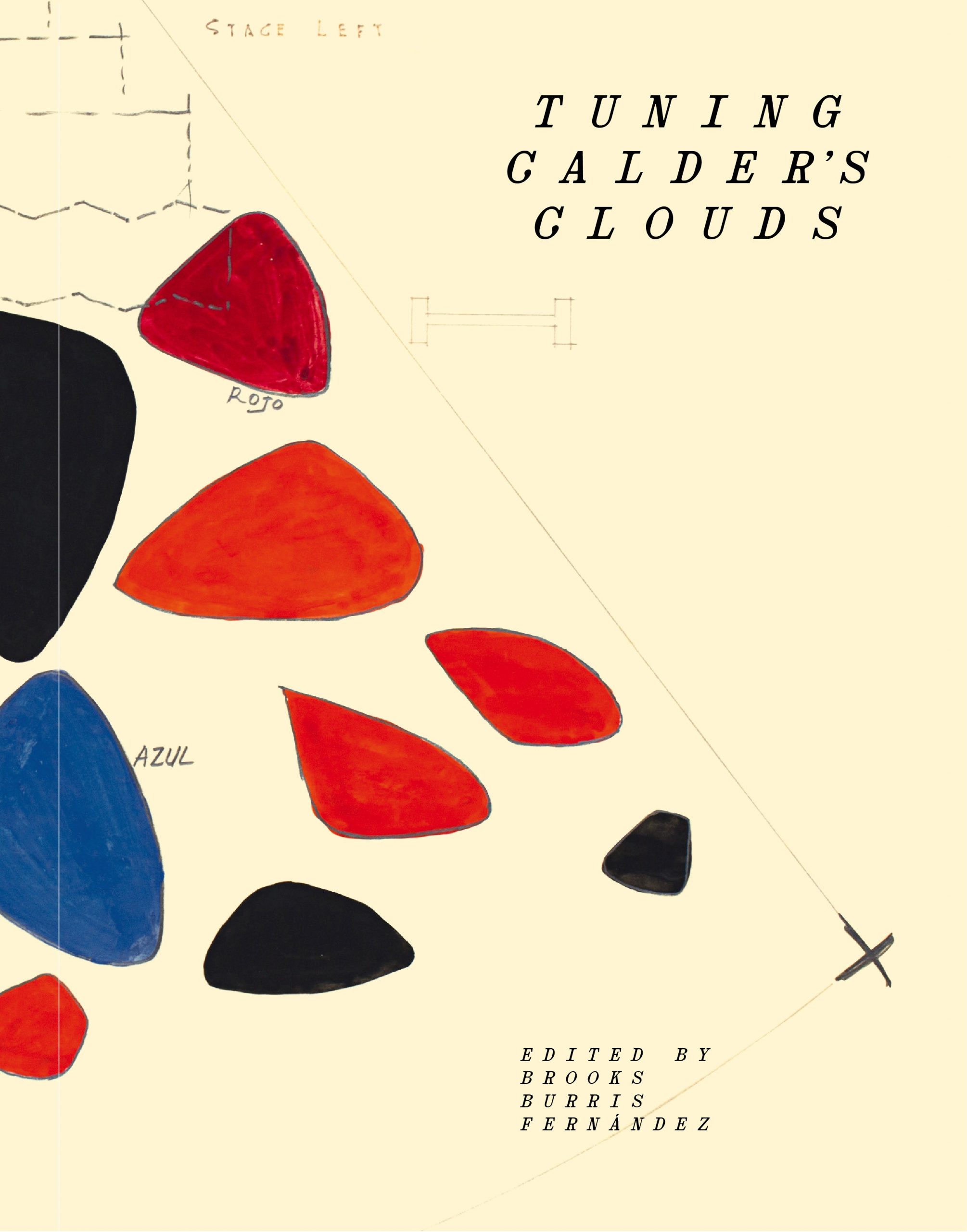
A bilingual Spanish /English in-depth exploration of one of the artist’s most ambitious artworks: the monumental Acoustic Ceiling (1954) in the Aula Magna of the Universidad Central de Venezuela in Caracas.
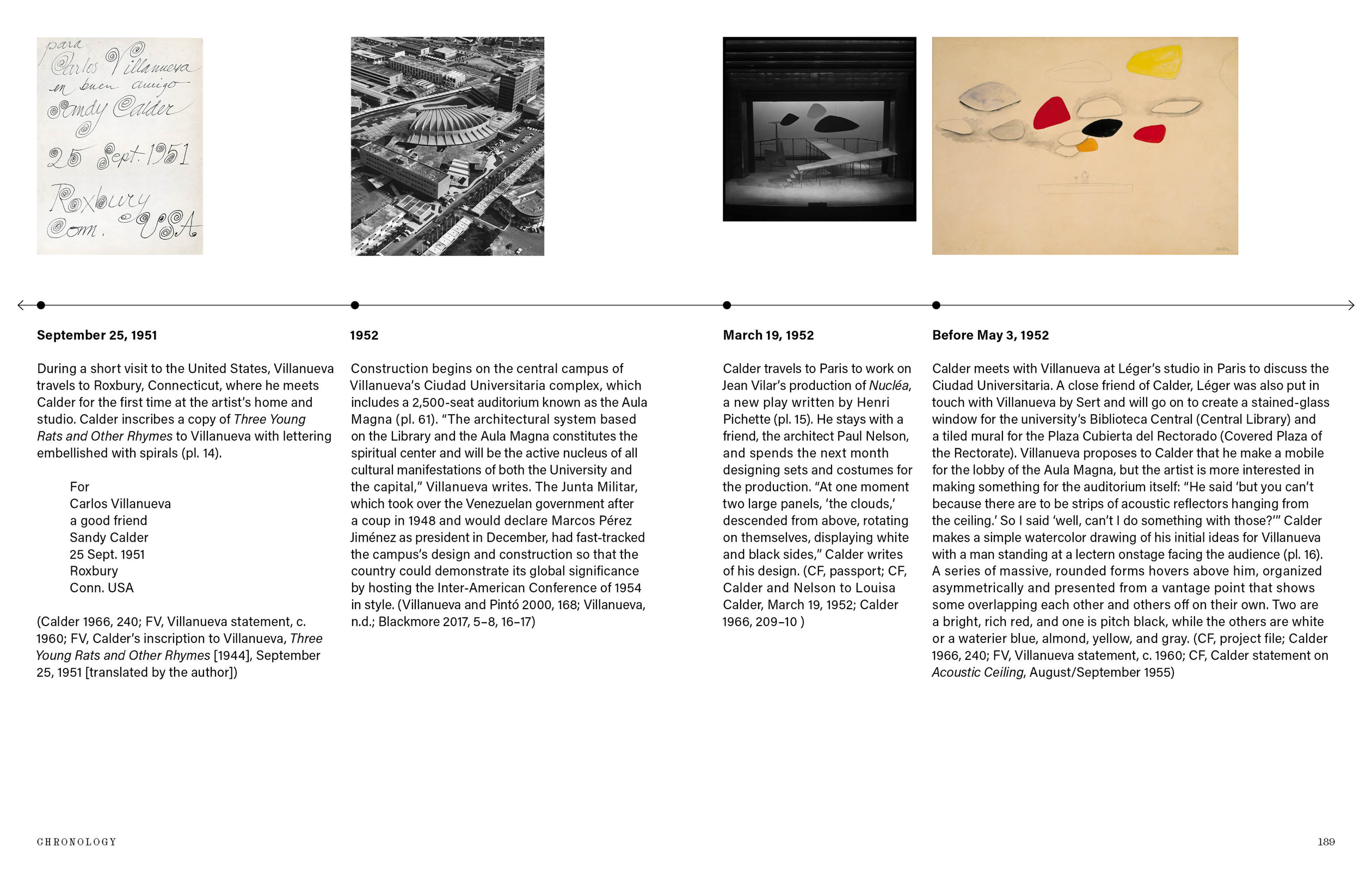
Alexander Calder (1898–1976) is one of the best known and most influential artists of the 20th century. His sculpture has been extensively shown and continues to be a critical reference within international histories of modernism. Less known is the importance of sound and architecture in his work, as well as the extent to which he was influenced by ideas of performance and theatricality. Tuning Calder’s Clouds examines this critical legacy of the artist through an in-depth study of his monumental Acoustic Ceiling (1954) in Caracas’s Aula Magna. The multi-coloured panels that appear to float across the ceiling of a university concert hall in the Universidad Central de Venezuela emerged through Calder’s close collaboration with the architect Carlos Raúl Villanueva, the acoustic engineers of Bolt Beranek and Newman Inc., and local fabricators and technicians. Together they created a singular artwork that integrated sculpture, sound, and architecture at an unprecedented scale.
Commissioned during the regime of Marcos Pérez Jiménez, the Aula Magna—part of a campus designated a UNESCO World Heritage Site in 2000—emerged within a broader context of political spectacle, international diplomacy, and rapid modernization. Today, both the building and Calder’s installation remain in active use despite their increasingly precarious condition.
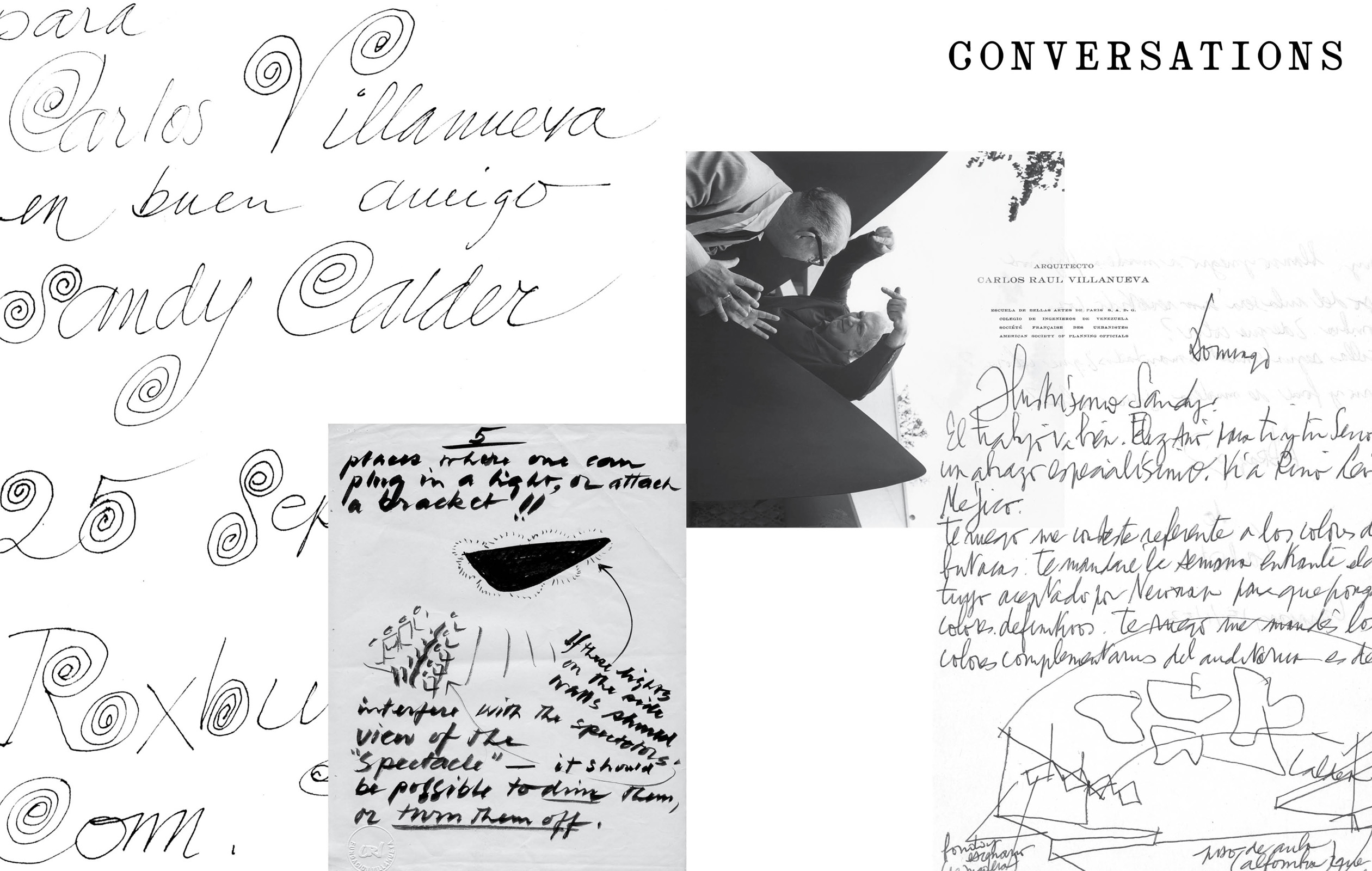
Richly illustrated with previously unpublished archival materials from Venezuela and the United States, including letters, photographs, and works on paper, Tuning Calder’s Clouds offers the first comprehensive account of the artistic, technological, and social dimensions of this landmark work. Through interdisciplinary essays and conversations with artists, scholars, architects, and musicians, the book traces the complex cultural exchanges embedded in the project, while offering an expanded perspective on Calder’s engagement with sound, performance, and Latin America.
Author biographies
Vic Brooks is adjunct curator at the Calder Foundation and curator-at-large at Aspen Art Museum, CO
Jennifer Burris is a curator and writer based in Bogotá, Colombia and Honolulu, HI
Mariana Fernández is a writer and curator based in New York and Mexico City
Alexander S. C. Rower is the founder and president of the Calder Foundation, New York, and the artist’s grandson. Since 1987, Rower has documented more than 22,000 works by Calder and established an extensive archive dedicated to all aspects of the artist’s career. He has curated and collaborated on over 100 Calder exhibitions worldwide.
Inés Arango-Guingue is a Colombian writer and curator based in Chicago.
Lisa Blackmore is Professor of Spanish and Director of the Digital Humanities Center at the University of Virginia.
Jonas Braasch is an aural architect with interests spanning auditory perception and modeling, audiovisual virtual environments, and music practice (soprano saxophone). He is a Professor of Architecture at Rensselaer Polytechnic Institute where he also serves as Associate Director of Research at the Experimental Media and Performing Arts Center (EMPAC) at Rensselaer Polytechnic Institute.
Mirtru Escalona-Mijares is a composer, performer, and professor of art at the City of Versailles and at the Iannis Xenakis Departmental Conservatory of Évry-Courcouronnes. He lives in Paris.
María Fernanda Jaua holds a PhD in architecture. She teaches and researches modern architecture and the relationship between architecture and photography.
Beryl Gilothwest is Deputy Director of Research and Exhibitions at the Calder Foundation, New York.
Johannes Goebel was institutionalized voluntarily and mostly joyfully between 1990 and 2022; first as founding director of the Institute for Music and Acoustics/ZKM Karlsruhe and since 2002 as founding director of Experimental Media and Performing Arts Center (EMPAC) at Rensselaer Polytechnic Institute.
Carlos Gómez de Llarena is an architect and former professor of the Universidad Central de Venezuela’s School of Architecture and City Planning. His contributions to Venezuela’s architectural landscape include the Escuela de Artes Visuales Cristóbas Rojas, the Torre Europa, the Palacio de Justicia, the Torre América, the Centro San Ignacio, and the Galería de Arte Nacional.
Silvia Hernández de Lasala, PhD, is an architect and professor at the Universidad Central de Venezuela. She has been Director of the UCV Preservation and Development Council and has published important books such as En busca de lo Sublime Villanueva y la Ciudad Universitaria de Caracas (2006). The Universidad Central de Venezuela distinguished her with the Francisco de Venanzi Award for Lifetime Achievement of the University Researcher (2001).
Leilehua Lanzilotti is a musician, multimedia artist, and curator based in Honolulu, Hawaiʻi whose work activates imagination around new paths forward in language sovereignty, water sovereignty, land stewardship, and respect.
Aimon Mata is a cellist with the Orchestra of the Maggio Musicale Fiorentino and a founding member of the Simón Bolívar Quartet.
Ana Navas is a multidisciplinary visual artist primarily focused on sculpture. She is currently based in the Netherlands.
Rafael Pereira is a leading scholar in modernist architectural history. Based in Caracas, he was formerly the coordinator of the History and Criticism of Architecture Department at the Universidad Central de Venezuela.
Gryphon Rue is an artist, composer, and musician based in New York.
Rafael Santana is an architect and exhibition designer. He lives and works in Caracas. He was executive director of the Galería de Arte Nacional, where he worked for nearly two decades. Since 2001, he has been assistant director of the Colección Patricia Phelps de Cisneros.
Paulina Villanueva is an architect and retired professor of the Faculty of Architecture and City Planning of the Universidad Central de Venezuela. She was formerly Director of the School of Architecture and has both authored and co-authored several publications. She is director of the Fundación Villanueva in Caracas.
Table of Contents
- Introduction by Vic Brooks, Jennifer Burris, Mariana Fernández
- Acknowledgments
- A Note on the Title by Alexander S. C. Rower
- Essays
A Project of Crisis by Vic Brooks
A Daring Alliance: Calder and Villanueva in the Aula Magna by Silvia Hernández de Lasala
The Fever of Modernity: Art and Politics in the First Half of the Twentieth Century in Venezuela by Rafael Santana
Kerido Karlos: Calder in Venezuela by Jennifer Burris
Sculpting Atmosphere by Mariana Fernández
Calder and Sound by Gryphon Rue - Resonances
From Floating Clouds to Fabric Sails: Concert Hall Acoustics from the Aula Magna to EMPAC by Jonas Braasch and Johannes Goebel
When the Clouds Were the Waves by Ana Navas and Mirtru Escalona-Mijares
After the Clouds: Contemporary Art in Venezuela by Inés Arango Guingue
Making a World Heritage Site: Ciudad Universitaria de Caracas by María Fernanda Jaua - Conversations
In Conversation by Alexander S. C. Rower and Paulina Villanueva
Playing in the Clouds: El Sistema and the Simón Bolívar Symphony Orchestra of Venezuela by Leilehua Lanzilotti and Aimon Mata
Ideological Entanglements and Political Fictions by Lisa Blackmore and Jennifer Burris
Making the Clouds Move by Rafael Pereira and Carlos Gómez de Llarena - Chronology
Calder, Venezuela, and the Aula Magna: A Chronology by Beryl Gilothwest - Plates